
Corporate America loves to advertise. We celebrate ad campaigns, presenting awards for the most creative commercials, sharing the coolest ones on our Facebook pages, and even making an advertising event out of the Super Bowl each year. But, this celebration of advertising doesn’t come without a price, especially when we discuss marketing to children. Big companies dump millions into advertising aimed at American youth, intent on hooking potential customers while they’re young, and keeping them for decades.
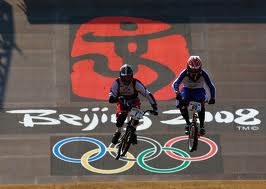
Energy drink companies are guilty of this practice; positioning their products as cool; often aligning with high-energy, exciting activities like the X-games, BMX racing, and motocross. Are these companies engaging in predatory practices, or just smart advertising? The answer to that question can only be calculated by measuring the money teens and tweens are paying for these drinks, and what long-term health impact they’re getting for their dollars.
In March, 2008, the Journal of American College Health published a study that found children willing to engage in risky behavior were far more likely to do so when energy drinks were added to the mix. This high-risk lifestyle was dubbed “toxic jock” behavior, a constellation of risky and aggressive behaviors including unprotected sex, substance abuse and violence.(1)
A large part of energy drinks and their results are still unknown. “A new report in the Medical Journal of Pediatrics says energy drinks are under-studied, over-used and can be dangerous for children and teens.” (2) What is known is that the caffeine and sugar content of these drinks varies widely, “[t]he caffeine comes from multiple sources, making it hard to tell how much the drinks contain. Some have B vitamins, which when taken in megadoses can cause rapid heartbeat, and numbness and tingling in the hands and feet.” (3) Compound this with artificial sugar sweeteners like Aspartame and Phenylanaline, and you add chemicals with a proven track record of negative health effects.
One danger associated with energy drinks in college-age teens is the trend of mixing energy drinks with alcohol. This creates a buzz while introducing depressants into the body. The drinker feels more awake, but is just as intoxicated. This limits an understanding of how impaired he or she might be, and can create overconfidence. In short, the drinker may simple become too buzzed to realize he is going to engage in an unnecessarily dangerous situation, like driving.
The Food & Drug Administration is already considering a ban on products that mix alcohol and energy drinks. Parents should discuss these dangers with teenage children, educate their children on the potential complications of mixing these ingredients, and develop a plan to help teens avoid the associated dangers.
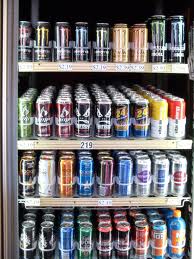
Extended use and abuse of energy drinks can be as dangerous as drug involvement, or long-term use of alcohol or tobacco. The top six dangers associated with energy drinks and teens includes “caffeine intoxication, heart failure, increased risk of injury, increased blood pressure or heart rate, increased risk of substance abuse, and dependence.” (4) Teens are more likely to engage in high-risk activities, and more likely to experience cardiopulmonary complications when they do.
Teens aren’t the only ones tempted by energy drinks. Some companies and distributors welcome the opportunity to market to tweens, as well. Children in this age range simply do not need energy drinks. “‘Caffeine is a psychoactive drug,’ says Judy Owens, MD, director of the Pediatric Sleep Disorders Center at Hasbro Children’s Hospital. ‘Children under ten or twelve certainly have no reason to include any caffeine in their diets; caffeine has no nutritional value and drinking caffeinated beverages may reduce consumption of more healthy beverages, like milk and juice.'”(5)
The energy drink market has grown into a $10 Billion business. Teens are responsible for plenty of this market share, coughing up a few dollars every time they reach for a can or a shot to keep them going. More information is still needed on the long-term effects of this investment, but what is known is downright frightening. The consumption of energy drinks by teens carries a large number of risk factors, plenty of chemicals with a track record of negative health impact, and far too little information on the labels. Parents should educate themselves and their children on the life-changing impact many of these drinks can have when consumed routinely.
When it comes to the impact of energy drinks on teens, simply reading the label or believing the clever commercial doesn’t provide enough information. If your teen is complaining that they really need this beverage to get through the day, make them go to bed on time instead. High levels of caffeine, artificial sweeteners, Taurine, Guarana and other energy drink ingredients can only lead to dangerous situations, negative health effects, and potential long-term addiction.
1. Parker-Pope, Tara. (May 26, 2008). Energy Drinks May Put Teenagers at Risk. TODAY Health. Retrieved on February 26, 2011 from http://today.msnbc.msn.com/id/24831859/ns/today-today_health.
2. Hopkins, Elizabeth. (Feb 14, 2011). Energy Drink Warnings: Dangers for Kids & Teens. Fox 25 Morning News. Retrieved on February 26, 2011 from http://www.myfoxboston.com/dpp/morning/energy-drink-warnings-dangers-for-kids-and-teens-20110214.
3. Associated Press. (October 31, 2006). Teens Abusing Energy Boosting Drinks, Doctors Fear. FOXNews.com. Retrieved on February 26, 2011 from http://www.foxnews.com/story/0,2933,226223,00.html.
4. The Top Six Dangers of Energy Drinks, and Five Healthy Energy-Boosting Alternatives.(October 31, 2008). SixWise.com. Retrieved on February 26, 2011 from http://www.sixwise.com/Newsletters/2008/October/31/The-6-Top-Dangers-of-Energy-Drinks.htm.
5. Energy Drinks. (2010). Energy Drinks: A Healthy Buzz? Lifespan. Retrieved on February 26, 2011 from http://www.lifespan.org/services/nutrition/articles/energydrinks.htm.
Other than caffeine levels, how do energy drinks differ from sodas and sports drinks? Soft drinks are mainly water, sugar and flavoring. They don’t do anything for your body; they’re just supposed to taste good. Sports drinks are designed to replenish fluids lost during activity. They typically contain water, electrolytes and sugar. -”^
Have a good weekend
http://healthdigest101.com